Lifestyle
The Day of the Dead; a Very Much Alive Tradition
The Day of the Dead is one of the most important and popular festivities in Mexico, celebrated on November 1st and 2nd. It is a Mexican celebration to honor the
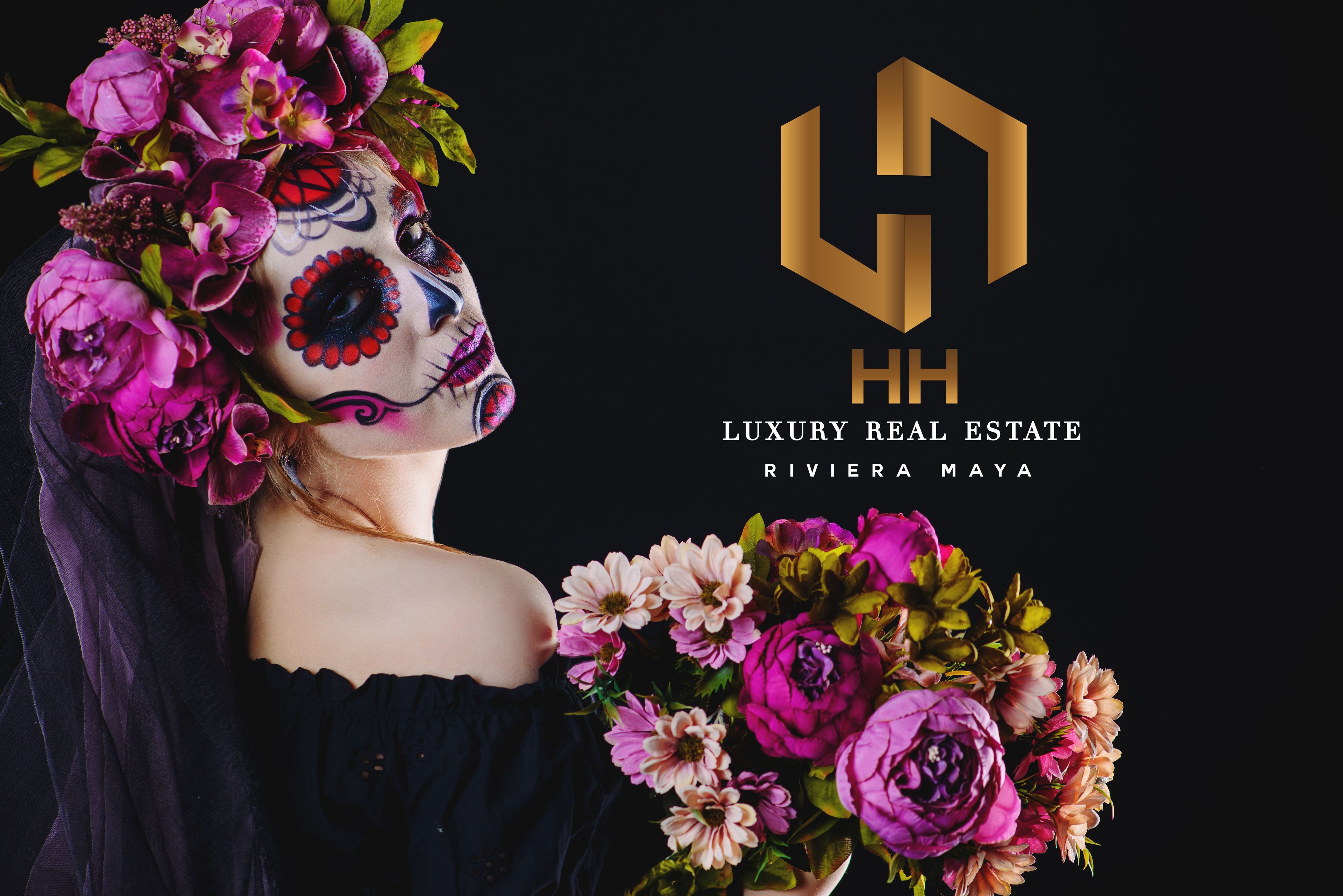
The Day of the Dead is one of the most important and popular festivities in Mexico, celebrated on November 1 and 2. It is a Mexican tradition to honor those who have passed away, with roots that reach back to the pre-Hispanic era. UNESCO named this celebration Intangible Heritage of Humanity in 2008.
What the Day of the Dead Means
In the Indigenous vision, the Day of the Dead implies the temporary return of the souls of the deceased, who come back to the world of the living to spend time with their relatives and to be nourished by the essence of the food offered to them on the altars placed in their honor.
The festivities begin on the night of October 31. November 1st is All Saints' Day, and on the night of the 1st into the 2nd the ofrenda reaches its maximum splendor. Prayers are said, and in some areas of the country people spend the night in the cemeteries. When the celebration ends, all the dishes and drinks of the ofrenda are tasted.
What the Altar Includes
The altar usually contains images of the deceased family members to whom the commemoration is dedicated, along with candles and lit votives. Beverages, fruit, bread, and the dishes the deceased loved are also placed on the altar. The image of the deceased is surrounded with papel picado and cempasúchil flowers, whose petals mark the way back home.
The History of a Tradition
No one escapes death — that is a fact. Yet, despite the pain it can cause, our Indigenous peoples have learned to perceive death as a stage worth celebrating because, as Mario Benedetti said, "death is only a symptom that there was life."
This celebration originates in pre-Hispanic times. During this period, many Mesoamerican ethnic groups worshipped death. Among them, the Mexica revered Mictecacíhuatl and Mictlantecuhtli, both lords of the Mictlan, or "place of the dead." To reach this realm, souls had to face and cross a series of obstacles before achieving eternal rest.
Different Destinations According to the Manner of Death
According to the Florentine Codex, the Mictlan was divided according to how a person died. For example, the Cincalco — home of the god Tonacatecutli — was the destination for those who died as infants, considered innocent because they were so young. Another place was Tonatiuh Ichan, the "house of the sun," reserved for warriors who fell on the battlefield.
Funeral Rituals and the Soul's Journey
For the souls to begin their journey, the living had to accompany them through ritual. A death was announced with shouts and cries from the elder women of the community. The deceased was then wrapped with their personal belongings and symbolically fed with the most exquisite food. After the fourth day, the body was taken for burial or cremation, and from that moment on, the soul began its journey.
Each year, for four years, ostentatious ceremonies were held at the place where the body or ashes of the deceased rested. With the arrival of the European population, the ritual underwent a process of acculturation. The pre-Hispanic ceremony merged with the Catholic celebration of the deceased and was reinvented into the tradition we know today.
In Summary
The Day of the Dead is far more than a holiday: it is a living tradition that fuses Mesoamerican cosmology with Catholic ritual to celebrate memory, family, and continuity. For visitors and residents of Mexico, it is one of the most authentic windows into the country's cultural identity.